June 25, 2026
Heating, Ventilation, and Air Conditioning (HVAC) systems play a pivotal role in our modern lives, ensuring comfort and well-being in both residential and commercial spaces. These systems have come a long way from their rudimentary beginnings, developing into sophisticated technologies that optimize climate control, energy consumption, and air quality. In today's environmentally conscious era, updating your HVAC system is not just a matter of comfort—it is a necessity for reducing energy usage, cutting costs, and minimizing our carbon footprint.
Advancements in HVAC technology have led to substantial improvements in energy efficiency, contributing positively to both the environment and your wallet. By upgrading to a contemporary system, individuals and businesses alike can harness the benefits of the latest smart technologies and features that ensure seamless climate control. This article explores the compelling reasons why updating your HVAC system is a smart investment for a comfortable and sustainable future, and a knowledgeable HVAC company can help you compare options before you commit.
With energy consumption expected to rise, especially in commercial sectors, it is critical to use appliances that mitigate unnecessary energy usage. According to Zipdo, in 2025, HVAC systems are estimated to consume 12% of global electricity and account for about 50% of energy consumption in commercial buildings. Upgrading your HVAC system can play a significant role in reversing this trend and is a critical step towards achieving energy efficiency goals, especially when an HVAC company evaluates your building's current performance.
1. Modern HVAC Technology
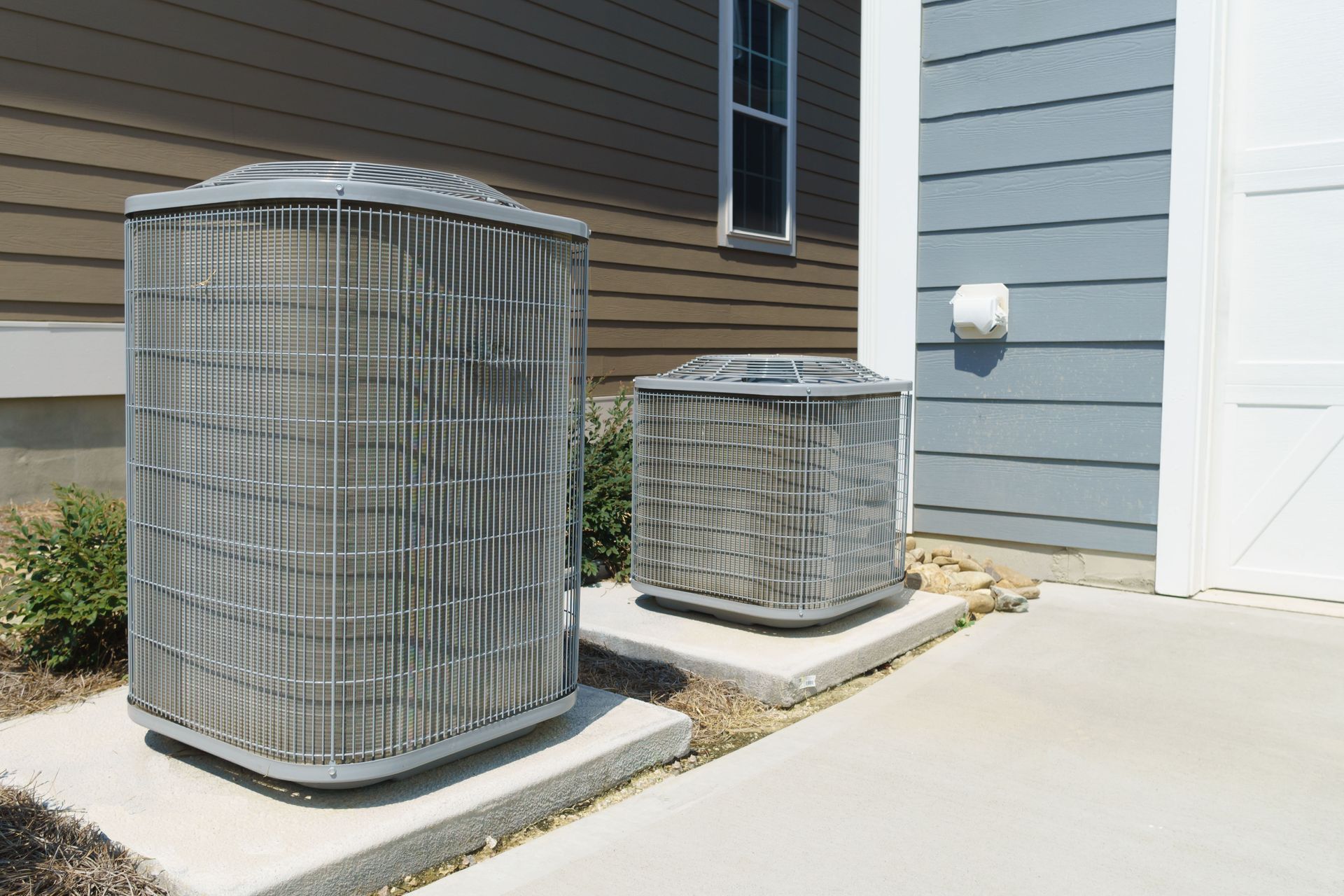
Modern HVAC systems are equipped with advanced technologies that significantly enhance energy efficiency. Innovations such as variable speed motors and two-stage compressors allow these systems to adjust their output according to the current demand, providing the needed climate control without excess energy consumption. As a result, updated HVAC systems not only lower your household's energy bill but also contribute to reducing your carbon footprint. These systems use precision engineering to provide optimal heating and cooling, catering exactly to your needs without any wasteful energy usage. Therefore, updating to modern HVAC systems is key in making your environment-friendly and cost-effective, and an HVAC company can recommend equipment that matches your space rather than oversizing or undersizing the unit.
Incorporating inverter technology in updated HVAC systems helps further refine their efficiency. Instead of frequently turning on and off, inverter-driven compressors adjust to the heating or cooling load, hence utilizing lesser energy. Notably, this innovation in modern HVAC technology results in less wear and tear of the components, extending the longevity of these systems and reducing the long-term maintenance costs. Additionally, the soft start feature of inverter technology allows for quieter operation compared to older systems. The seamless modulation of power consumption to match demand distinguishes modern HVAC systems from their predecessors in terms of efficiency and comfort, which is why guidance from an HVAC company can be valuable during product selection.
Upgrading your HVAC system also contributes to the broader objectives of energy conservation attributions established globally. By limiting the demand for power to fewer operational requirements, advanced HVAC systems reduce peak electricity demand. This not only leads to lower energy costs for consumers but eases the burden on grid operations, facilitating a more stable supply of electricity. Moreover, because energy-efficient appliances are subject to various incentive programs and rebates, modernized systems can often be subsidized through local government energy-saving schemes. Thus, investing in updated HVAC technology aligns with both economical and environmental incentives, and an HVAC company can help identify upgrades that support those priorities.
2. Benefits of High SEER Ratings
The Seasonal Energy Efficiency Ratio (SEER) is an essential metric to consider when assessing HVAC systems. Higher SEER ratings translate to greater energy efficiency, as these units deliver cooling power with less electrical energy. Not only can high-SEER systems substantially lower your energy expenditure, but they can also provide increased environmental benefits by reducing the overall demand in electricity production. The move towards high-SEER systems reflects the industry's recognition of the importance of energy-saving measures and embodies a commitment to sustainable living. Subsequently, upgrading to systems with increased SEER ratings provides immediate financial savings and contributes towards long-term reductions in energy consumption, while an HVAC company can explain what each rating means for your property.
With increased energy performance comes a reduction in greenhouse gas emissions associated with electricity generation, particularly when fossil fuels are involved. That means that high-SEER HVAC systems are not only about individual savings but also about eco-conscious choices that contribute towards mitigating climate change. SEER ratings enable consumers to quickly assess and compare the cooling efficiency of different units, clarifying the potential savings that accompany higher-rated appliances. Additionally, as building codes and regulations become increasingly stringent regarding energy efficiency, high-SEER systems ensure compliance with future standards. Upgrading to a higher SEER unit is both a proactive measure for compliance and a step towards sustainable development, and an HVAC company can help you compare models that meet current standards.
Higher SEER-rated systems often include variable-speed compressors, which adjust in real-time to the building's specific heating and cooling needs. This adaptability accommodates fluctuating weather and occupancy demands, creating a home climate control environment that feels natural rather than mechanical. Incorporating this technological advantage into HVAC systems enhances comfort while maintaining energy efficiency, which is attractive to both homeowners and potential property buyers. The immediate benefit of lower operational costs, combined with the attractive environmental profile of high-SEER systems, therefore makes them prudent choices for modernizing your HVAC system. Importantly, systems with higher SEER ratings are often eligible for energy rebates and tax incentives, buffering the upfront costs and making the switch more financially viable.
3. Reduced Energy Bills
One of the most tangible benefits of updating your HVAC system is the immediate impact it can have on your energy bills. By upgrading to an efficient system that uses modern technology to regulate electricity use, homeowners and businesses can significantly reduce their monthly expenditure on heating and cooling. This contrasts sharply with older systems that are notorious for their inefficiency and high energy requirements. Improved insulation, variable-speed technology, and efficient design all contribute to reduced operational costs. As a result, investing in a new HVAC system can quickly pay for itself through ongoing energy savings, especially when an HVAC company installs equipment correctly from the start.
Cost reductions extend beyond just the context of monthly utility bills, also bringing down costs associated with maintenance and repairs. Newer models are less prone to breakdowns and are generally covered by warranties that alleviate out-of-pocket expenses for any required service. Furthermore, energy providers often run promotional schemes that reward customers for reducing demand on the grid, which newer systems are better equipped to take advantage of. Upgrading an HVAC system therefore functions as both a cost-saving strategy and as a hedging tool against future energy price increases. Customers can also look out for zero-interest financing schemes from both HVAC manufacturers and service providers to ease the initial financial spending, and an HVAC company may be able to discuss available payment options.
Updating your HVAC system is a practical investment in comfort, efficiency, and healthier indoor air. From lower energy bills and better humidity control to advanced filtration and smart thermostat features, a modern system can make your home or business more comfortable throughout the year. Working with a trusted HVAC company can also help you choose the right equipment, understand available rebates, and get the most value from your upgrade. If your current system is outdated, inefficient, or struggling to keep up, now may be the right time to consider a replacement that supports long-term savings and dependable performance. Call Bayside Heating & Cooling today to learn more.