October 28, 2026
Uneven temperatures can make a home uncomfortable, even when the air conditioner runs throughout the day. One bedroom may feel cool while the living room stays warm, or certain areas may receive very little air from their vents. These hot spots and airflow problems can result from several issues, including blocked vents, dirty air filters, ductwork leaks, and improperly balanced systems. Although adjusting the thermostat might provide temporary relief, it rarely resolves the underlying cause of uneven cooling. Professional air conditioning companies use systematic troubleshooting methods to identify these problems and restore more consistent temperatures throughout a home. Their approach may involve inspecting equipment, testing airflow, evaluating ductwork, and checking thermostat settings. Bayside Heating & Cooling helps homeowners understand the importance of proper cooling performance and dependable system maintenance. Learning how technicians identify and correct airflow problems can help homeowners recognize when professional service may improve indoor comfort.
Identifying the Causes of Uneven Cooling
Hot spots often develop when conditioned air cannot reach every room in the quantities needed to maintain comfortable temperatures. Rooms located far from the indoor air handler may receive less airflow when ductwork is poorly designed, obstructed, or leaking. Sunlight entering through large windows can also increase heat gain, making certain rooms warmer than others. Inadequate insulation, gaps around windows, and air leaks can allow outdoor heat to enter faster than the cooling system can remove it. Furniture, rugs, or curtains covering supply vents may further restrict the movement of conditioned air. Technicians begin by asking homeowners which rooms feel uncomfortable and whether the problem occurs consistently or only during certain weather conditions. They may compare room temperatures, examine vent locations, and inspect the system's operating performance to narrow down potential causes. Experienced air conditioning companies use these observations to recommend targeted solutions rather than relying on thermostat adjustments alone.
Checking Air Filters and Supply Vents
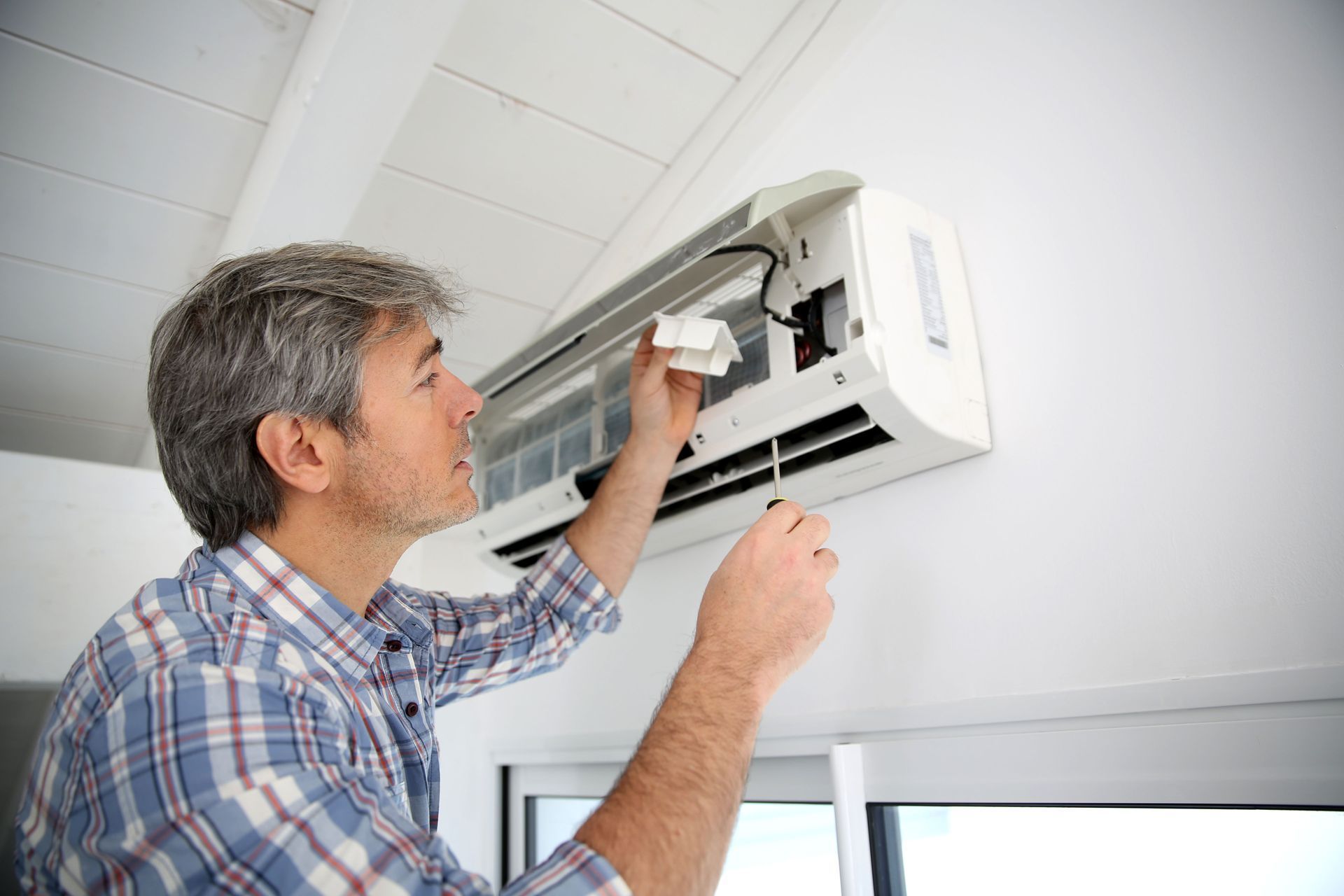
Restricted airflow can sometimes result from simple maintenance problems rather than a major equipment failure. Air filters collect dust, lint, and other airborne particles, but excessive buildup can reduce the amount of air moving through the system. When airflow becomes restricted, the air conditioner may struggle to distribute cooled air effectively and may operate less efficiently. Technicians typically inspect the filter and recommend cleaning or replacement according to the manufacturer's instructions and the household's conditions. They also check supply and return vents to ensure that furniture, household objects, or accumulated debris are not blocking air movement. Closed or partially obstructed vents can disrupt the system's intended airflow, especially when several rooms are affected. If the problem persists after these basic checks, technicians can investigate more complex causes, including duct restrictions, blower problems, and coil contamination. Professional air conditioning companies help homeowners distinguish between straightforward maintenance needs and problems that require additional testing or repairs.
Inspecting Ductwork for Leaks and Blockages
Ductwork carries conditioned air from the HVAC equipment to different rooms, making its condition essential for consistent cooling. Leaks at joints, disconnected sections, and damaged duct insulation can reduce the amount of cooled air reaching occupied spaces. These problems may also allow hot attic or crawl-space air to enter the distribution system, affecting indoor temperatures. Technicians inspect accessible ductwork for loose connections, crushed sections, visible damage, and gaps around seams. Depending on the system, they may perform additional testing to evaluate airflow and identify areas where air is escaping or becoming restricted. Repairs can include sealing appropriate joints, reconnecting disconnected sections, correcting damaged duct runs, or improving insulation where necessary. Restoring duct integrity helps deliver more conditioned air to the rooms that need it without automatically requiring replacement of the entire air conditioner. When homeowners experience persistent hot spots, air conditioning companies can evaluate whether ductwork problems are contributing to uneven cooling.
Balancing Airflow Between Different Rooms
Even when ductwork is intact, some rooms may receive too much airflow while others receive too little. Air balancing involves evaluating how conditioned air is distributed throughout the home and making appropriate adjustments to improve consistency. Technicians may measure airflow at individual supply registers and compare the results with the system's design requirements. They can then assess whether accessible balancing dampers need adjustment to redirect air toward areas that are not cooling adequately. The process also involves checking return-air pathways because rooms need a suitable route for air to circulate back to the HVAC equipment. Poor return airflow can interfere with circulation and create noticeable temperature differences between rooms. Technicians must consider the system as a whole rather than simply closing vents in cooler rooms, which can increase pressure and create other performance problems. Properly balanced airflow can improve comfort while helping the equipment operate within its intended conditions.
Evaluating Equipment Capacity and Performance
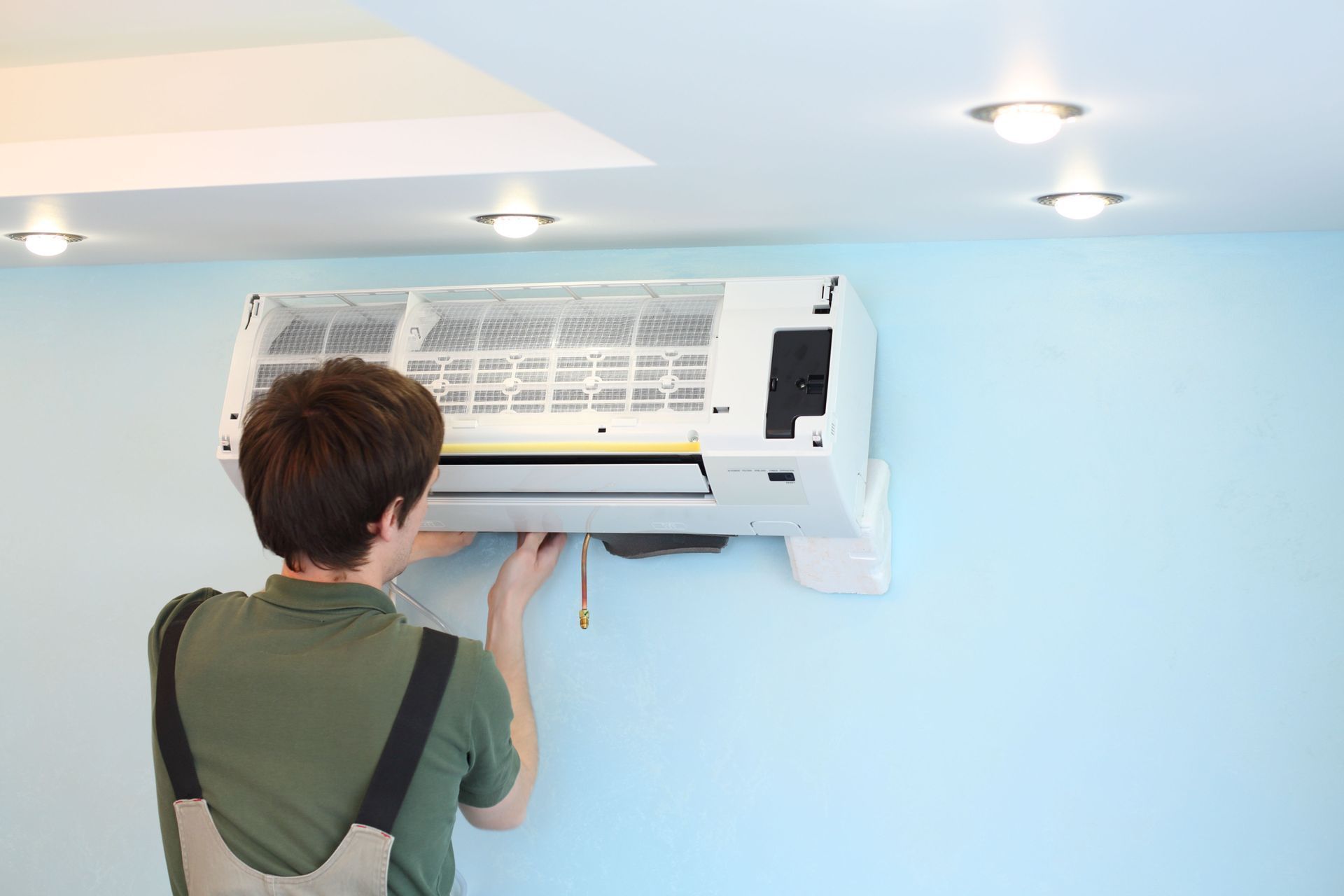
Sometimes, persistent hot spots indicate that the cooling equipment is not operating as intended. Dirty evaporator coils, blower motor problems, refrigerant issues, or malfunctioning components can reduce the system's ability to remove heat and circulate air. Technicians examine relevant equipment components and use appropriate diagnostic procedures to determine whether performance falls outside expected operating conditions. They may also review the system's capacity in relation to the home's layout, insulation, windows, and overall cooling requirements. According to GlobeNewswire, the U.S. residential HVAC market was valued at approximately $15.4 billion in 2024, reflecting the substantial market for residential heating and cooling equipment and services. However, a larger air conditioner is not automatically the right solution for an uncomfortable home. Oversized equipment may cool certain areas quickly without running long enough to manage indoor humidity effectively. Professional air conditioning companies can help determine whether the issue calls for maintenance, a repair, airflow adjustments, or a more detailed assessment of system sizing.
Improving Thermostat Placement and Temperature Control
Thermostat location can influence how an air conditioner responds to the home's temperature conditions. If the thermostat sits near a sunny window, heat-producing appliance, or frequently opened exterior door, its readings may not represent the temperatures in other rooms. The system may shut off before distant rooms become comfortable or continue running because the thermostat detects localized heat. Technicians can check thermostat settings, operating modes, and sensor performance to identify possible control-related issues. In some homes, relocating a thermostat or using compatible remote sensors may provide a more representative picture of indoor temperatures. Programmable and smart thermostats can also help homeowners establish schedules that better match household routines and cooling needs. These controls cannot correct major duct leaks or equipment faults, but they can support more consistent operation when the underlying system is functioning properly. An experienced technician can explain which temperature-control options make sense for the home's existing HVAC setup.
Maintaining Consistent Cooling Throughout the Year
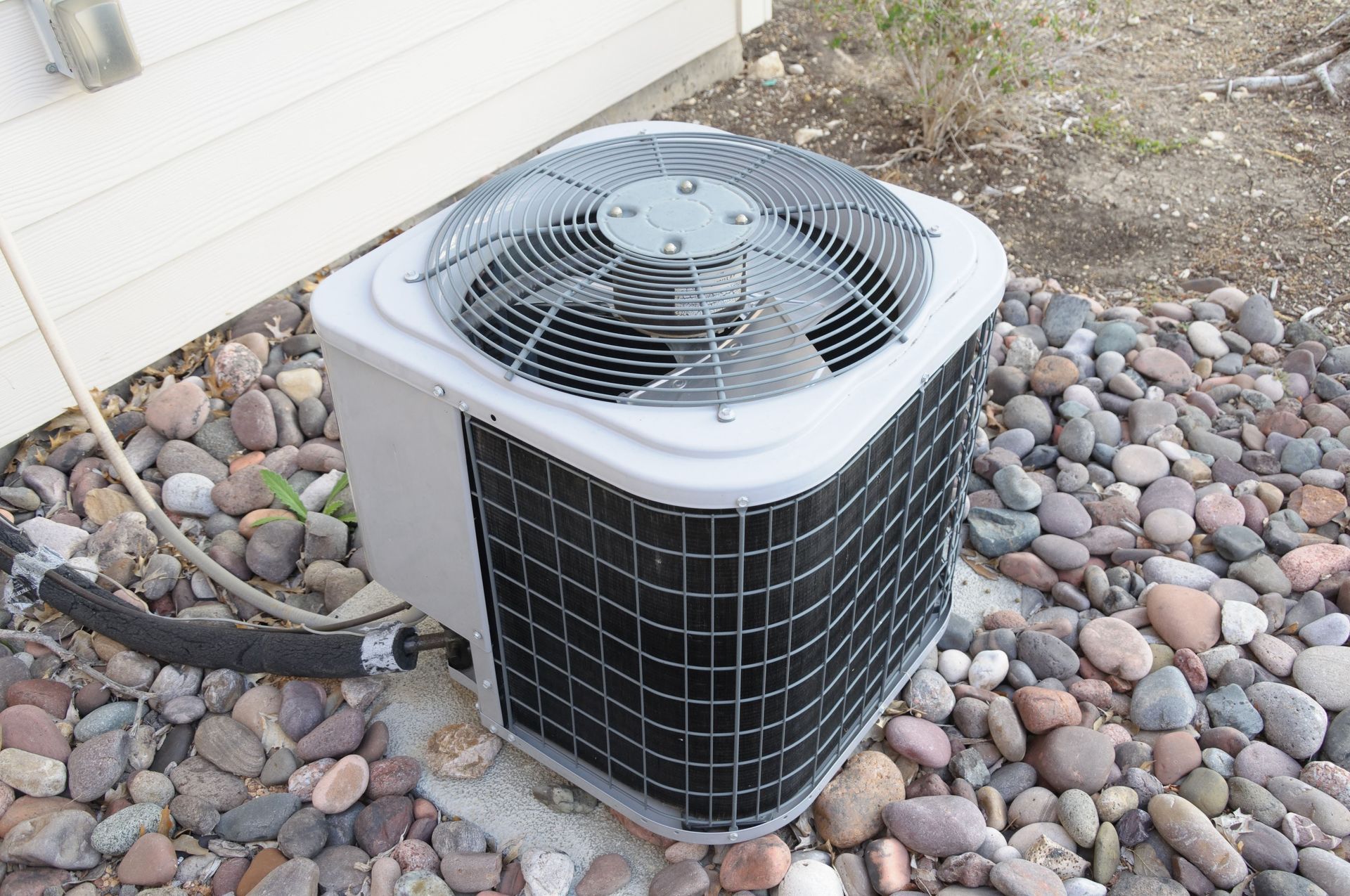
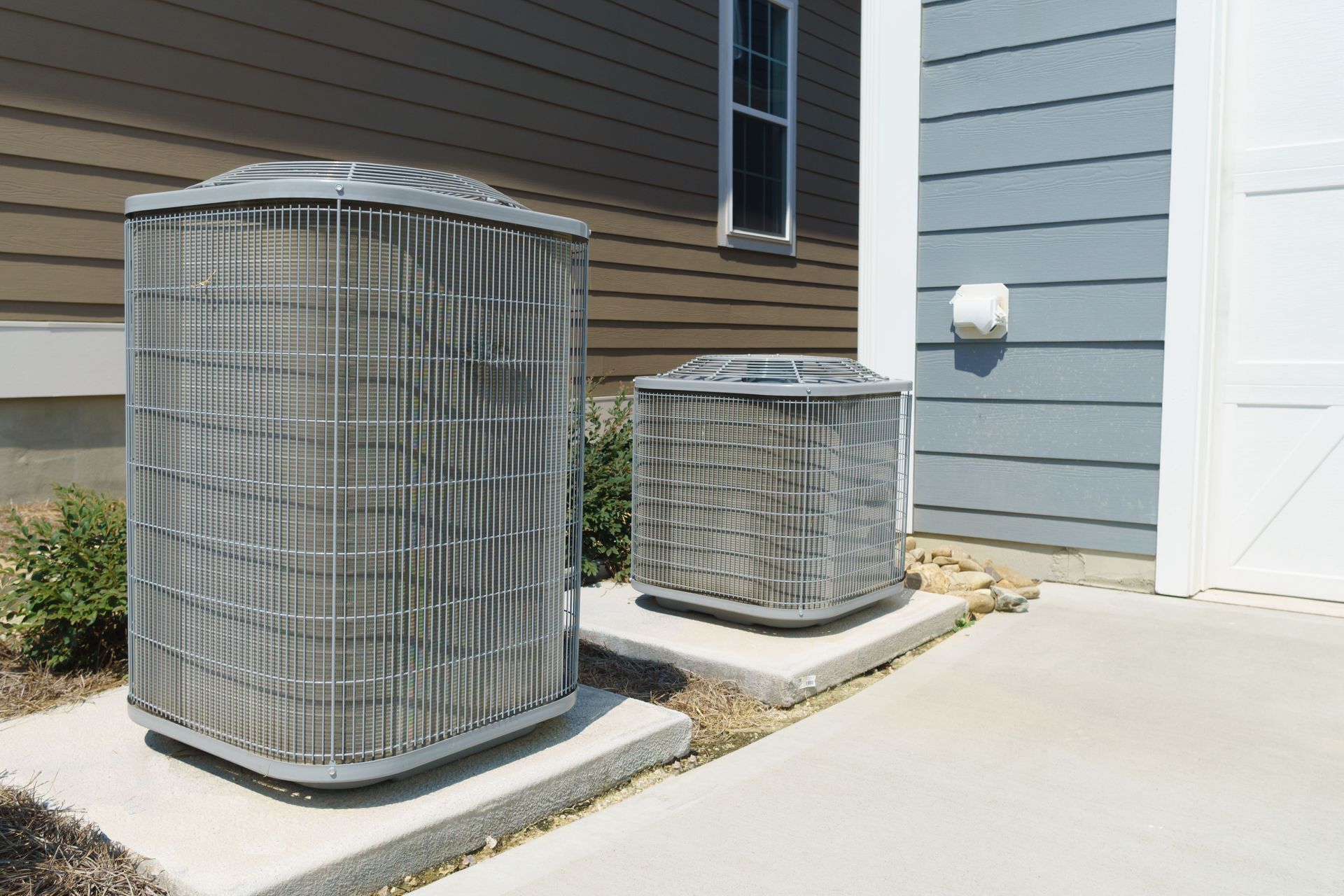
Regular maintenance helps reduce the likelihood that developing equipment problems will lead to uncomfortable rooms and weak airflow. Homeowners can support system performance by checking air filters regularly, keeping vents unobstructed, and paying attention to unusual noises or changes in cooling. Outdoor equipment should also have adequate clearance so that vegetation and debris do not interfere with airflow around the unit. Seasonal professional inspections can identify developing issues before they cause more noticeable performance problems during periods of heavy cooling demand. Technicians may inspect electrical components, evaluate system operation, check coils, and review drainage and other maintenance requirements. Homeowners should also address air leaks and insulation concerns because the building envelope affects how effectively cooled air maintains comfortable temperatures. When a room repeatedly feels warmer than the rest of the home, documenting when the problem occurs can help technicians diagnose it more efficiently. Reliable maintenance from air conditioning companies supports better comfort, helps preserve equipment condition, and can reduce the risk of unexpected breakdowns.
Homeowners should seek professional assistance when airflow remains weak, cooling becomes uneven, or the system struggles to maintain the selected temperature. Timely service may also uncover developing issues before they lead to more extensive repairs. Bayside Heating & Cooling can help homeowners explore practical options for improving their indoor comfort and addressing cooling performance concerns. Contact us today to schedule service and take the next step toward more consistent cooling and comfortable indoor temperatures throughout your home.