June 3, 2026
Understanding the tell-tale signs of a failing HVAC system can save you from unexpected breakdowns, high energy bills, and discomfort in your home or office environment. Knowing when to upgrade is crucial for maintaining comfort, safety, and efficiency. This article will guide you through recognizing the early signs that your HVAC system may be past its prime, ensuring you stay ahead of major inconveniences. Additionally, it will explore technological advancements, financial considerations, and ideal timing for HVAC service. Armed with this knowledge, you can make informed decisions that enhance your living or working space while addressing energy and environmental concerns.
Signs of an Aging HVAC System
Increased Energy Bills
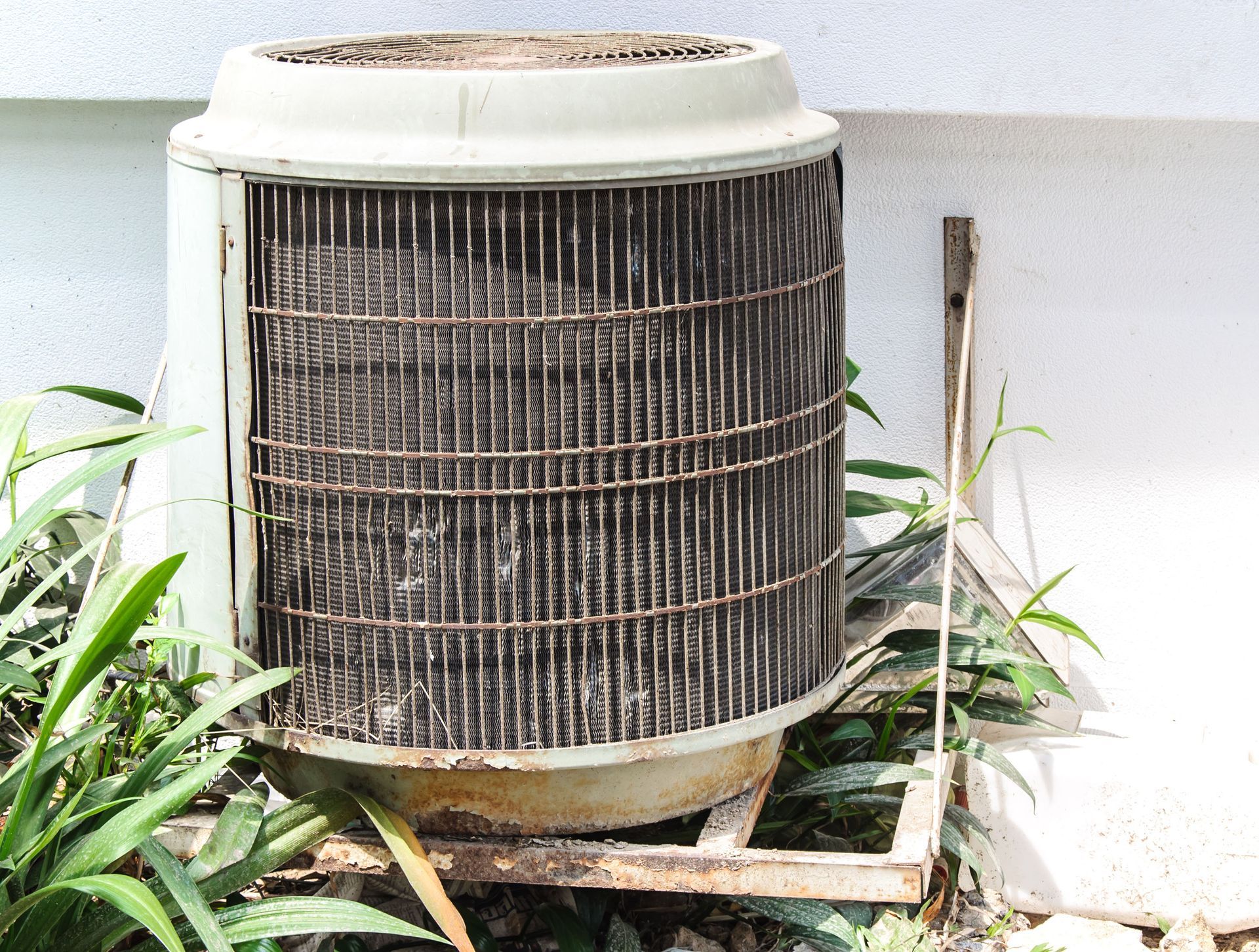
An unexplained rise in your energy bills can often be a sign of an aging HVAC system. When systems become less efficient, they require more energy to achieve the same level of heating or cooling. This inefficiency not only impacts your wallet but also increases the strain on the energy grid. According to CNET, an HVAC system typically lasts 15 to 20 years. Regular HVAC service helps, but eventually, aging components simply cannot keep up. Recognizing these patterns early can save high costs and enhance your home’s energy efficiency.
Frequent Repairs
Regular breakdowns are indicative of a system that may need replacing. As HVAC systems age, wear and tear lead to more frequent repairs, and replacement parts may become harder to find. The costs incurred from these constant repairs could often cover a significant portion of the cost of a new system. Investing in a newer, more reliable system can alleviate the anxiety of potential breakdowns, offering peace of mind and dependability. Employing a professional to assess the frequency of repairs can aid in making informed decisions regarding upgrading your HVAC service.
Inconsistent Temperatures
Aging HVAC systems can struggle to maintain consistent temperatures throughout a building. This might manifest as hot and cold spots, where some rooms are comfortable while others aren't. These inconsistencies often indicate that the system can no longer distribute air uniformly, affecting the overall comfort and possibly exacerbating energy inefficiencies. Newer systems with advanced distribution capabilities can address this problem. Therefore, noticing uneven heating or cooling should prompt an evaluation of your HVAC's performance.
Unusual Noises
Unusual sounds such as clanking, rattling, or humming can signal that your HVAC system needs attention. These noises often result from loose or damaged components, which, if left unchecked, may lead to more significant issues. Modern systems are designed to operate more quietly, meaning persistent noise may indicate it's time for an upgrade. Regular HVAC service can help identify noise sources early. Yet, when the problem persists, replacement may be the more prudent solution for restoring tranquility to your environment.
Timing and Seasonal Factors
Seasonal Price Variations
The time of year can significantly affect the cost of new HVAC systems, with off-peak seasons often offering better pricing. During demand lows, manufacturers and retailers might offer discounts or promotions to boost sales. Understanding these seasonal variations allows homeowners to capitalize on cost reductions when planning an upgrade. Strategically timing your HVAC replacement around these variations enhances your investment's value. Taking advantage of seasonal offers reflects prudent fiscal management in asset acquisition.
Climate Impact
Your region's climate plays a significant role in determining urgency and the type of HVAC system suited to your needs. Areas with extreme temperatures may require more robust systems with features that are costly but necessary for year-round comfort. Identifying climate-related challenges ahead helps tailor your system's capabilities, prioritizing effectiveness over cost alone. Understanding these environmental impacts ensures the HVAC system meets demand and delivers efficiency. Strategic evaluations based on climate factors promote better heating and cooling investments.
Preparation for Extreme Weather
Weather patterns influence HVAC service, impacting the decision-making process for upgrading systems. Preparing for potential extreme weather shifts ensures that your home remains comfortable and energy-efficient throughout harsh conditions. Proactive pre-season evaluations of HVAC Needs can guide timely replacements, maintaining optimal function under duress. Evaluating this timeliness minimizes the risk of failures during peak usage times, enhancing system reliability and endurance. Being prepared transforms potential threats into manageable challenges, preventing comfort disruptions.
Construction and Renovation Synergy
Aligning HVAC upgrades with other renovation projects can maximize efficiency and procedural alignment. Integrating new systems with broader home improvement projects minimizes duplication of labor and provides cost savings and efficiencies. Coordinating such enhancements streamlines timelines, reducing potential redundancies across various aspects of renovation tasks. Additionally, holistic evaluations of the existing infrastructure support optimized integration of new HVAC systems. Crafting synergy between HVAC service and holistic home improvements offers comprehensive value enhancements.
Choosing the Right HVAC System
System Size and Capacity
Choosing the correct size and capacity of an HVAC system for your property is crucial for ensuring efficiency and performance. A system that's too small won't adequately heat or cool your space, while one that's too large cycles on and off too frequently, wasting energy. Properly assessing your home's needs based on square footage, insulation quality, and geographical factors provides the information needed for the right fit. Professional assessments ensure any new investment aligns precisely with the functional requirements existing today. Engaging qualified HVAC consultants avoids guesswork, simplifying the selection process for homeowners.
Researching Brands and Models
Market research into various brands and models ensures you select a system offering the best reliability and performance for your needs. Different manufacturers are known for specific strengths, from energy efficiency to technological integration. Accessing independent reviews and industry ratings assists in narrowing choices and guiding informed decision-making. Exploring these insights helps homeowners align decisions with personalized priorities, whether cost efficiency, longevity, or other factors. Well-researched choices ultimately reinforce confidence in purchase decisions, empowering proactive home management.
Contractor Expertise
Choosing qualified professionals for system consultation and installation is as important as selecting the right HVAC system itself. Expert contractors ensure that the chosen system integrates seamlessly with your existing infrastructure, optimizing functionality long-term. Qualified professionals offer insightful guidance on industry advancements, valuable for homeowners less familiar with HVAC service. Engaging experienced installers minimizes the potential margin of errors, ensuring installations meet performance and safety standards. Investing in skilled professionals enhances the likelihood of a problem-free installation and helps future-proof your home’s comfort system.
Meeting Energy Standards
Ensuring your new HVAC system meets current energy efficiency standards is paramount for long-term benefits and compliance. Regulatory organizations set benchmarks guiding sustainable practices, influencing buying decisions, and encouraging environmental consciousness. Understanding and meeting these requirements offers immediate energy cost reductions while aligning with broader sustainability initiatives. Prioritizing systems that meet or exceed these standards reflects responsible homeownership and commitment to efficient living. Such adherence ensures that investments retain their currency in a rapidly evolving regulatory landscape.
Regular assessments and timely upgrades of your HVAC service can lead to comfortable living environments, reduced energy bills, and contribute positively to ecological sustainability. Prioritizing modernization ensures optimized system functionality, which promotes efficiency and enhances energy conservation. Staying abreast with technological advancements and taking action before system failures occur preserves long-term financial resources and reinforces home quality. Making informed choices about HVAC upgrades results in improved system performance, greater dependability, and broader environmental benefits. The harmony of thoughtful upgrades with personal, financial, and ecological considerations propels improved living conditions and sustained peace of mind. To get an expert opinion of if your HVAC system needs updating, reach out to the pros at Bayside Heating & Cooling today.